
Jordan Brand Collabs That Molded Today’s Streetwear
Jordan Brand has never been happy to lean on the reputation of Michael Jordan’s six titles. Since the early 2000s, the brand has joined forces with designers, artists, musicians, and fashion houses to convert athletic sneakers into high-fashion currency. These joint ventures have permanently altered the playbook of how performance brands operate within luxury culture. Each collab introduces a unique creative perspective into classic shapes, creating sneakers that disappear within minutes and resell for several times retail on the secondary market. By 2026, Jordan Brand partnerships comprise an approximate 30 percent of all resale-market volume on major platforms. This article chronicles the most influential partnerships that elevated Air Jordans into the quintessential pieces of modern streetwear.
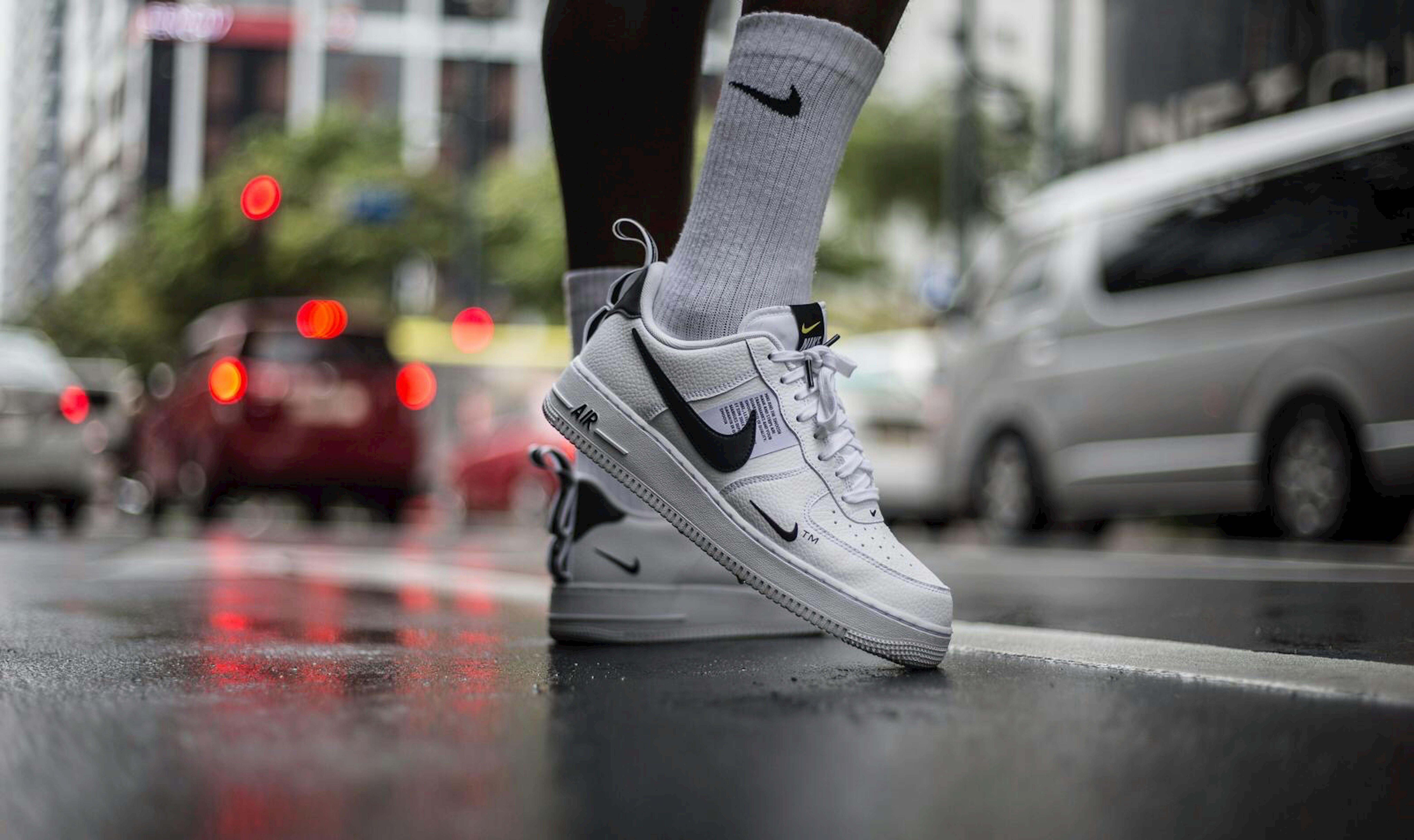
Virgil Abloh and Off-White: Deconstructing an Icon
When Virgil Abloh revealed the Off-White x Air Jordan 1 as part of his «The Ten» collection in 2017, he upended the full sneaker world’s approach to design. The deconstructed style included visible foam padding, displaced Swooshes, and zip-tie tags that signaled a forward-thinking mindset toward product. That first launch in the Chicago colorway achieved resale prices above $5,000, making it one of the most valuable shoes of the decade. Abloh continued to develop numerous Jordan collabs, including the Air Jordan 4 Sail and Air Jordan 5, each embodying the same essence of intentional imperfection. The partnership jordan shoes showed that a high-fashion perspective could upgrade athletic footwear without alienating the dedicated sneaker audience. Even after Abloh’s passing in November 2021, the Off-White x Jordan releases keep on celebrate his creative direction and persist as among the most coveted drops through 2026.
Travis Scott: Establishing a Fashion Empire
Travis Scott’s relationship with Jordan Brand has become the blueprint for artist partnerships in the current era. His Air Jordan 1 High «Cactus Jack» in 2019 brought the reversed Swoosh detail that became one of the most identifiable design signatures in the shoe industry. The shoe dropped at $175 retail and soared beyond $1,500 on the secondary market within days, highlighting the rapper’s immense influence. Scott continued with the Air Jordan 1 Low Reverse Mocha in 2022, which generated over 5.6 million raffle entries according to Nike SNKRS data. His Air Jordan 4 collabs in olive and navy colorways expanded his reach beyond a single model. By 2026, the Travis Scott x Jordan collaboration has produced more than a dozen collaborative shoes, together creating hundreds of millions in resale volume.
Dior x Air Jordan 1: Where High-End Fashion Met the Court
The Dior x Air Jordan 1 High in 2020 represented the first time a prominent European luxury house officially partnered with Jordan Brand. Only 13,000 pairs were produced against a estimated 5 million sign-ups submitted through Dior’s website. The shoe boasted Italian hand-crafted leather, a Dior Oblique monogram Swoosh, and luxury presentation establishing it alongside luxury fashion. Retail pricing sat at $2,200, and resale swiftly pushed past $8,000, with some pairs going beyond $10,000 in brand-new condition. This partnership permanently broadened Jordan Brand’s market to encompass high-fashion shoppers who had never engaged with sneaker culture. It established sneakers as genuine luxury items in the eyes of the fashion establishment.
A Ma Maniére: Amplifying the Female Voice
Atlanta boutique A Ma Maniére brought a refined, embracing aesthetic to Jordan Brand that had been largely absent from the collaboration landscape. Their Air Jordan 3 «Raised By Women» in 2021 included plush quilted lining, yellowed midsole, and muted colors that contrasted with the aggressive male-focused energy characteristic of hype releases. The shoe was snapped up instantly and achieved resale prices around $500 — notable for a boutique collab without celebrity backing. A Ma Maniére built on this success with the Air Jordan 1 High and Air Jordan 4, each deepening the story of sophistication and strength that hit home powerfully with women in sneaker culture. Sales data indicated notably higher female buyer percentages compared to typical Jordan drops, tangibly widening the brand’s demographic reach. By centering a story of grace and female identity rather than court dominance or star power, A Ma Maniére demonstrated Jordan partnerships could thrive on narrative depth and authenticity.
Key Jordan Brand Collaborations at a Glance
| Partner | Model | Year | Retail Price | Max Resale | Cultural Significance |
|---|---|---|---|---|---|
| Off-White (Virgil Abloh) | Air Jordan 1 Chicago | 2017 | $190 | $5,000+ | Defined deconstructed sneaker design |
| Travis Scott | AJ1 High Cactus Jack | 2019 | $175 | $1,800+ | Iconic reversed Swoosh |
| Dior | Air Jordan 1 High OG | 2020 | $2,200 | $10,000+ | Where luxury met sneakers |
| A Ma Maniére | Air Jordan 3 | 2021 | $200 | $500+ | Empowerment-driven design |
| Union LA | Air Jordan 1 | 2018 | $190 | $2,500+ | Heritage-driven construction |
| Fragment (Hiroshi Fujiwara) | Air Jordan 1 | 2014 | $185 | $3,500+ | Understated Japanese design |
Union LA: Where Narrative Meets Design
Chris Gibbs, owner of Union LA, handled his Jordan Brand partnerships with a historian’s eye and a storyteller’s instinct. The Union x Air Jordan 1 in 2018 highlighted a multi-layer upper revealing hidden hues underneath — a design metaphor for peeling back the layers of sneaker culture itself. The concept split opinions in the beginning, with some diehards rejecting alterations to such a revered silhouette, but resale prices painted a different picture as they rose above $2,500. Union continued with the Air Jordan 4 in unconventional colorways like Guava Ice and Desert Moss, cementing the boutique’s status for thoughtful design moves. Each Union drop is accompanied by rich storytelling through lookbooks, mini-documentaries, and community activations that give shoes a story framework far beyond ordinary promotional content. By 2026, Union LA is consistently ranked among the top three Jordan Brand partners in collector surveys.
Fragment Design: The Quiet Power of Japanese Design
Japanese designer Hiroshi Fujiwara, widely known as the patriarch of streetwear, introduced his Fragment Design imprint to Jordan Brand with a approach of understated elegance. The Fragment x Air Jordan 1 from 2014 used a minimal black, white, and royal blue palette with the lightning bolt logo gently embossed on the heel — no flashy graphics, just sheer creative confidence. That subtlety proved to be its greatest asset, as the shoe has sustained resale values above $3,500 for over a decade. When Fujiwara partnered with Travis Scott for the Fragment x Travis Scott x Air Jordan 1 in 2021, the three-way collab sparked record-breaking demand and created a new template for multi-partner sneaker collaborations. Fujiwara’s method showed that designers need not dramatically change a iconic design to create something collectible. Restraint, he demonstrated, can be the most powerful design statement of all, and his Jordan creations stands as a touchstone for emerging designers in 2026.
How Collaborations Revolutionized Sneaker Culture
The cumulative effect of these collaborations has been a wholesale overhaul of how buyers see and acquire shoes. Before the partnership boom, sneaker launches followed a routine retail model where shoes sat on shelves and were assessed largely on performance metrics. Today, a high-profile Jordan Brand collaboration works like a cultural phenomenon, creating editorial coverage on par with major fashion events and attracting millions of consumers through digital raffles. According to Cowen & Company data, the secondary sneaker market exceeded $10 billion globally in 2025, with Jordan Brand collaborations being the leading force of that total. These partnerships have democratized fashion influence: independent retailers, performers, and visual artists now possess design authority once exclusive to established luxury brands. Experts at NPD Group project partnership-based releases will represent an even larger share of Jordan Brand income by 2028, as consumers progressively desire the limited nature and story-driven appeal that regular launches cannot provide.